
“I was never a gym person.” We hear some version of that from new members almost every week.
If that sounds like you, what you’re feeling has a name: gym anxiety. It’s the nervous, out-of-place feeling that keeps a lot of capable adults in the parking lot, or out of the gym entirely.
It’s common, and it usually eases with three things: knowing what to expect, starting with more support than you think you need, and choosing a gym that’s built for beginners instead of for people who already belong there.
Here’s where the feeling comes from and what helps.
Why So Many People Feel Intimidated by the Gym
Feeling intimidated by the gym isn’t irrational. Many gyms are set up for people who already know what they’re doing.
Rows of machines with no instructions. A free-weight area that feels like someone else’s territory. Loud music, mirrors on every wall, and nobody to tell you where to start or whether you’re doing it right.
Add a culture that often focuses on appearance or intensity, and it makes sense that people stay away. One of our members put it this way:
“Definitely not ‘gym bro’ culture (which is something that scared me away from the gym for a long time). EVOLVE is a body/gender/identity positive and supportive space.”
–Rebekah, EVOLVE member
The problem isn’t you. It’s the way most gyms are set up.
The Worries Behind Gym Anxiety
Most gym anxiety comes down to a handful of worries. Here’s what to know about each.
“I don’t know what to do.”
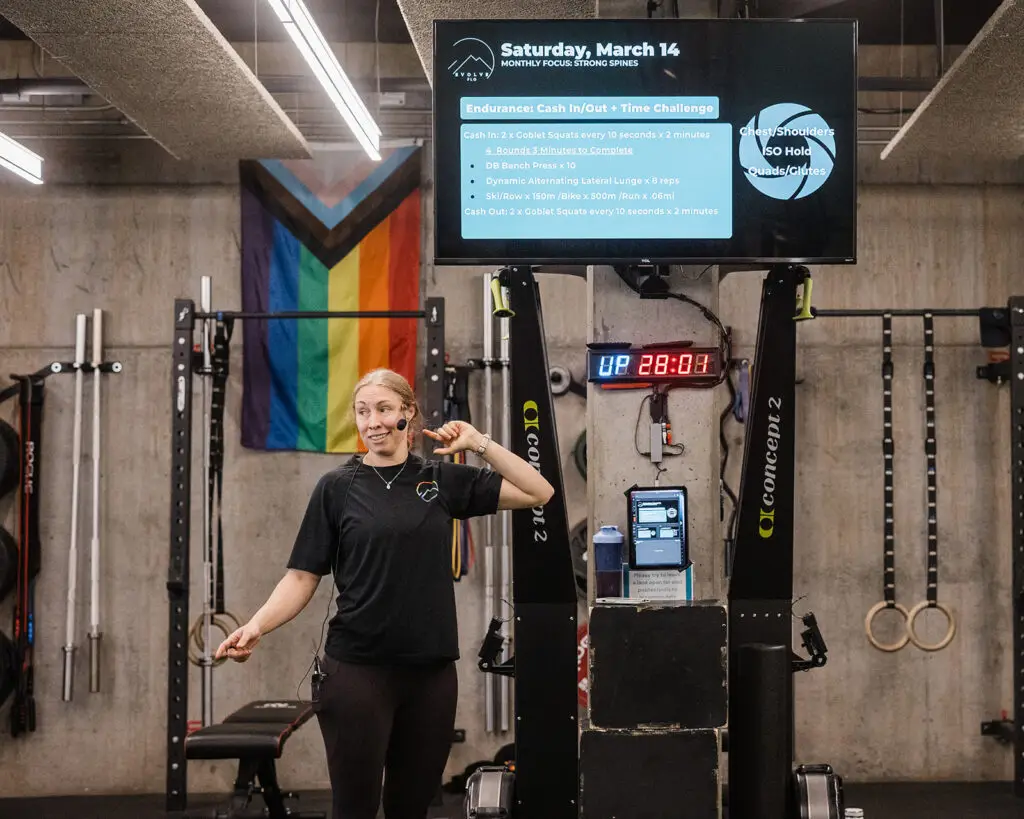
You shouldn’t have to guess. A good coach shows you each movement, explains why it’s in your workout, and helps you pick a weight that fits where you are today.
Our team includes Doctors of Physical Therapy and Certified Strength and Conditioning Specialists, and teaching beginners is a big part of the job.
New to strength training? Our guide to what strength training is and how to start covers what counts, how often to train, and how to tell it’s working.
“Everyone else is fitter than me.”
Comparison drives a lot of gym anxiety. In a well-run gym, people are focused on their own training, not on you.
Our approach is weight-inclusive. Your value isn’t tied to your size or shape, and we measure progress by strength, confidence and how well you move on the trail, in the mountains or with your family.
“Is strength training dangerous?”
It’s reasonable to wonder. With good coaching, strength training is one of the safest and most effective ways to prepare your body for the decades ahead.
Lifting improves bone density, balance and coordination, all of which help protect you from falls and injury as you age. We teach technique first and progress gradually, so you build strength without unnecessary risk.
Starting in your 40s or later? Our guide to strength training for women over 40 explains what works for bone density, muscle and staying active as you age.
“I won’t fit in.”
This one keeps more people out than any other. If a gym feels exclusive or competitive, feeling weird at the gym is a normal response.
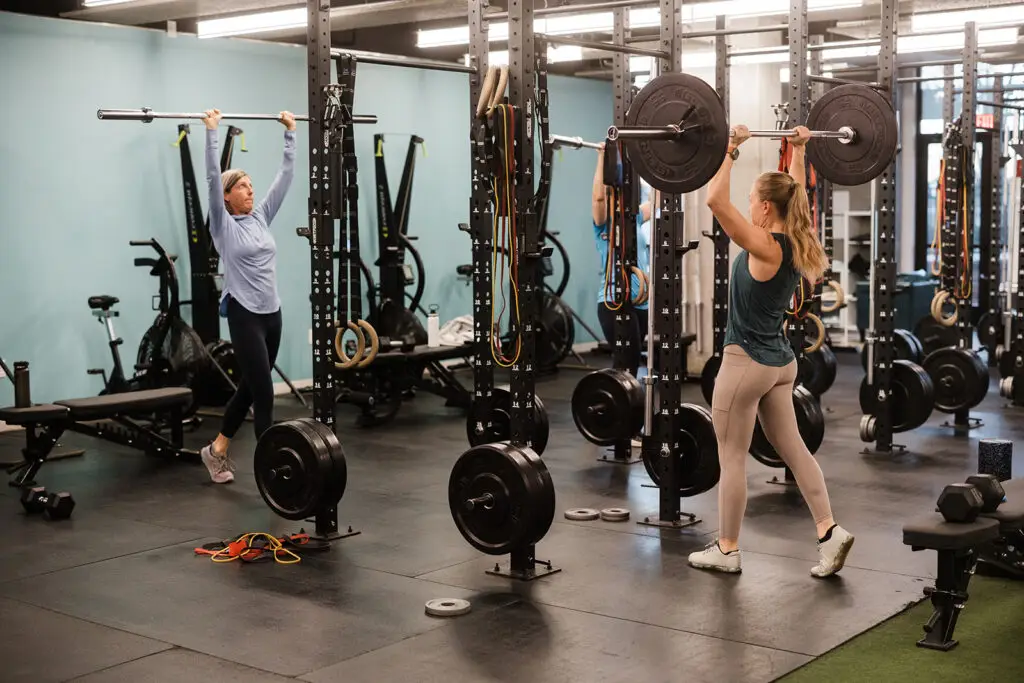
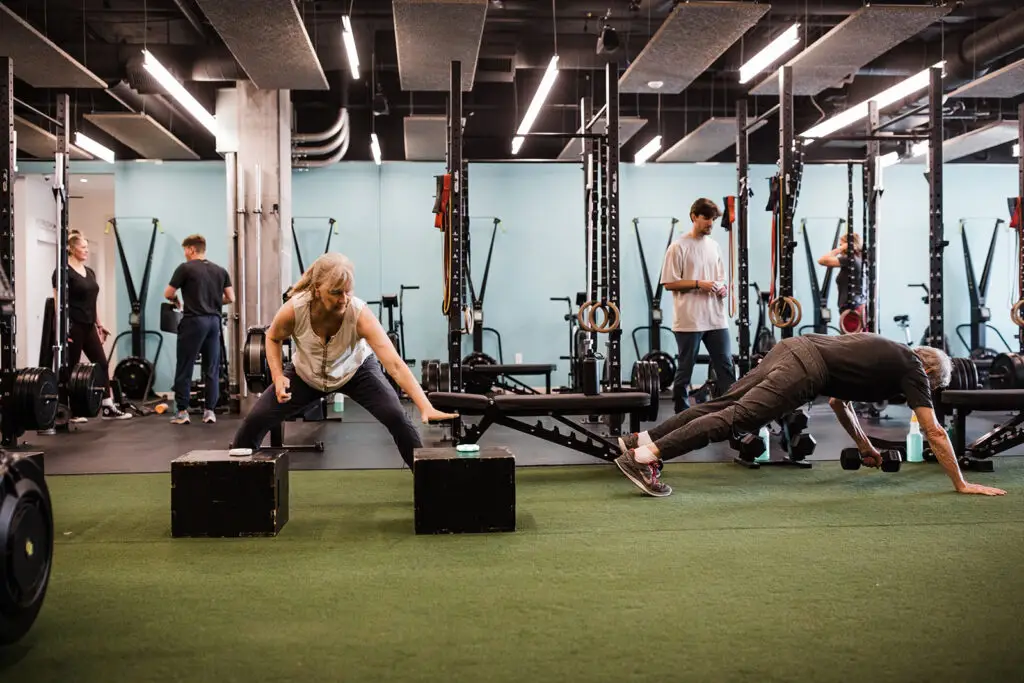
The right room feels different. Another member described ours as “an inclusive atmosphere for anyone from athletes to newbies” (Becky P., EVOLVE member). You’ll train next to people who are brand new, people returning after years away, and people who’ve lifted for decades.
“I won’t stick with it.”
Many people start with a burst of motivation and burn out because the program asked too much, too soon.
Consistency matters more than intensity. A set time, a coach who expects you and a few familiar faces make showing up much easier, which is why workout classes work better than training alone for a lot of people.
How to Read a Gym Before You Commit
Whether you’re touring gyms in Flagstaff or anywhere else, a quick walkthrough tells you a lot. Look for these signs:
- Does anyone greet you? A coach or staff member should say hello, show you around and ask what brought you in.
- Is there a clear way to start? An intro session, a small-group option or a beginner path means they expect new people.
- Who’s training? Look for a mix of ages, body types and experience levels. If everyone looks like a fitness model, take note.
- What’s on the walls? Before-and-after photos, weight-loss challenges and scales by the door signal a focus on appearance, not health.
- What’s the volume? Energizing music is great. A room so loud you can’t ask a question is not.
- Do coaches ask about you? A good coach asks about injuries, goals and experience before handing you a workout.
- Can you try it first? A free first session lets you see the space and meet a coach before you commit.
If a gym fails most of these, the discomfort you feel may not be anxiety at all. It’s information.

Small Steps That Make Your First Visit Easier
You don’t have to feel confident before you start. A few small choices make the first visit much more manageable:
- Go at a quieter time. Mid-morning and early afternoon are usually calmer than right after work.
- Choose a scheduled session over open gym. A coach and a plan remove the guesswork.
- Bring a friend. One familiar person makes a new room feel smaller.
- Tell your coach you’re nervous. Do it before you arrive if you can. You don’t need to hide it or prove you belong.
- Know the basics ahead of time. Ask where to park, what to wear and what the first session involves.
- Keep the first goal small. Meet your coach, learn a few movements and get familiar with the space. That’s a successful first day.
Start With Support
The fastest way past gym anxiety is a supportive coach who knows you’re new and has a plan for every session, so you never have to guess.
In Flagstaff, for most people without an injury, EVOLVE Strong is a great place to start. These coach-led strength training classes are capped at 15 people. On your first visit, a coach shows you around, teaches each movement and gives you options so every exercise fits where you are today.
If you have an injury or want more individual attention, we also offer one-on-one personal training and Foundations, our small-group program with no more than five people.
Not sure which fits? Take our quick program quiz to find your best starting point.
You don’t need to feel ready before you start. For most people, gym anxiety fades within the first few weeks.
Start At a Gym That Loves Beginners
Try your first EVOLVE Strong class free.
You’ll meet your coach, learn how the class works, and complete a full-body workout adapted to your starting point.
If groups of 10 or more aren’t for you, start in a smaller room with Foundations, our semi-private program with no more than five people.