Pain can be confusing during the rehabilitation process, especially if you have seen other providers. There are some providers who preach “no pain no gain,” and some physical therapists even take pride in pushing their patients to the brink of their pain tolerance.
That’s not how we do things at EVOLVE Flagstaff. In general, we want to reduce pain, and we want the recovery process to be comfortable, encouraging, and perhaps even exciting as you see improvement. For most injuries, pushing into pain simply doesn’t make logical sense. If you have a bruise, even if you want to push on it, you know that you are not doing yourself any favors by constantly poking it. The same is true for most injuries.
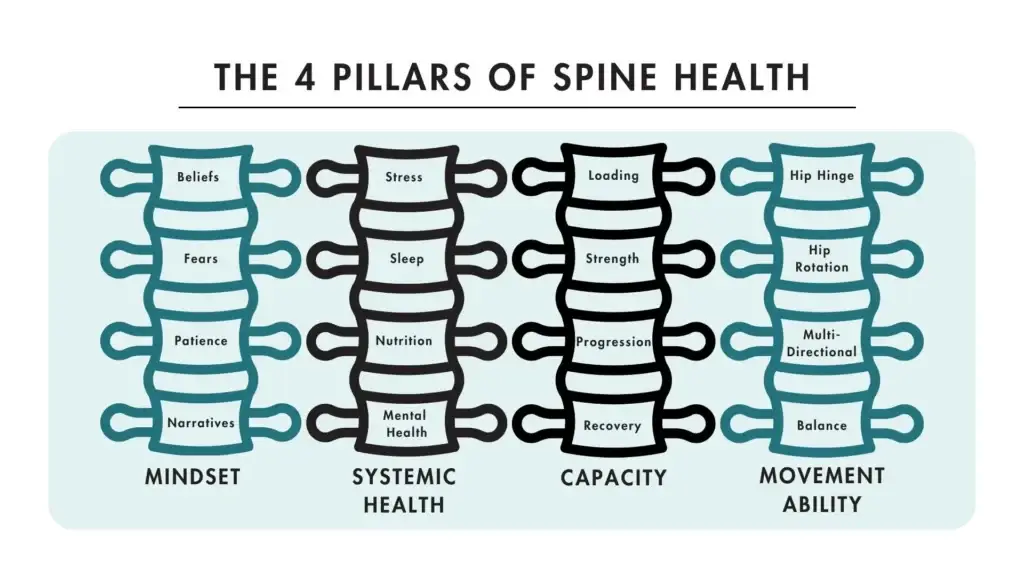
However, pain is also complex and multifactorial. Modern neuroscience now has a nuanced understanding of how pain is processed by the brain and body, and it’s not as straightforward as we once imagined. Pain is certainly influenced by the loading or injury of body tissues, but it is also affected by a number of other systemic factors such as: stress, sleep, hydration, nutrition, expectations and beliefs, prior experiences, and more.
Because of this, the pain you experience during recovery does not always progress in a straight line. There will be ups and downs. You’ll have days that you feel great, and days where things seem to be irritated again. Sometimes this is due to your triggers, and if you regularly experience flare ups, it’s possible that we have not identified all of your pain triggers. But, because pain is multifactorial, we must often consider other factors in addition to triggers, and make decisions about how to move forward in the presence of pain. Our patients have found a set of guidelines helpful in navigating their response to pain that might inevitably arise during your recovery process.
Quick Side Note: In this article, we use the word “pain” for simplicity, but perhaps a more accurate term is “your symptoms.” Sometimes pain is not your biggest issue, per se, but other unpleasant sensations like tightness, tension, zinging, aching, or something else. We are going to continue to use “pain” in this article, but we really mean “the symptoms that brought you to physical therapy.”
When do we want to avoid avoid pain/symptoms altogether?
-
Bone injuries: Loading bone injuries before they are healed can lead to significant worsening of the injury and long term negative consequences.
-
Nerve Injuries or Nerve Tension: If you have been diagnosed with a nerve injury by your physical therapist, we rarely, if ever, want to provoke symptoms with an exercise.
-
Activation or warm up exercises: Unless specifically stated by your physical therapist, most exercises that are used for activation or warm up purposes should not be painful at all. They are typically intended to target stabilizing muscle groups, and if you feel pain, you might not be activating the right muscle or performing them correctly.
-
Stretches and self-massage drills: While these can sometimes be uncomfortable, they should almost never feel like your “familiar symptoms” or “pain.” Stretching or pushing on a painful tissue can feel like the right thing to do, but rarely helps with healing.
When is it OK to move through pain?
However, for injuries that are not bone or nerve related, there might be times when you might want to move or exercise in the presence of some pain/discomfort as a tradeoff for the other mental and physical health benefits of exercise. And, there are some injuries, such as tendon injuries or osteoarthritis, where exercising or moving with some mild discomfort might be a necessary part of the recovery process. These guidelines can help you determine if you should discontinue, decrease, or increase activity.
Discontinue exercise and decrease the duration/volume/intensity/difficulty of your next bout of exercise by ~25% if the pain:
-
Increases more than 3 points on a 0-10 scale
-
Causes you to limp or to change your gait or movement pattern
-
Does not go away within 24 hours
-
Disrupts your sleep
-
Causes swelling
-
Makes you want to take (or take) painkillers / ibuprofen / NSAIDS
-
Is otherwise disconcerting, concerning, or intuitively feels “not right.” Trust your own judgement. If it feels sketchy, it’s probably sketchy!
Continue performing the same duration/volume/intensity/difficulty of exercise if the pain:
-
Returns back to baseline or is no longer painful by the next morning
-
Is noticeable but does not cause a limp or any of the above conditions
-
Starts at the beginning of movement/exercise, but “warms up” and goes away
-
Is less than a 3 point increase on a zero to 10 scale
Increase exercise/movement duration/volume/intensity/difficulty if you experience no pain.
While there will probably always be some gray area when it comes to movement and pain, these guidelines are a great starting point that you and your physical therapist can use together during your recovery. If you need help navigating this process, book a free consult call today and we will get you on the road to recovery!