Recently, I came across the 2023 Nordic Nutrition Recommendations, and one thing immediately stood out to me: the recognition that healthy eating is about so much more than nutrients. It’s also about the joy of eating, which means slowing down, sharing meals with people we love, and savoring what’s on our plates.
What Sweden Taught Me About Food
Over the summer, I was lucky enough to spend a few weeks in Sweden, where this philosophy really came to life. Meals weren’t just about eating the “right” foods or getting enough nutrients.
They were about slowing down, connecting with others, enjoying good food, and being present.
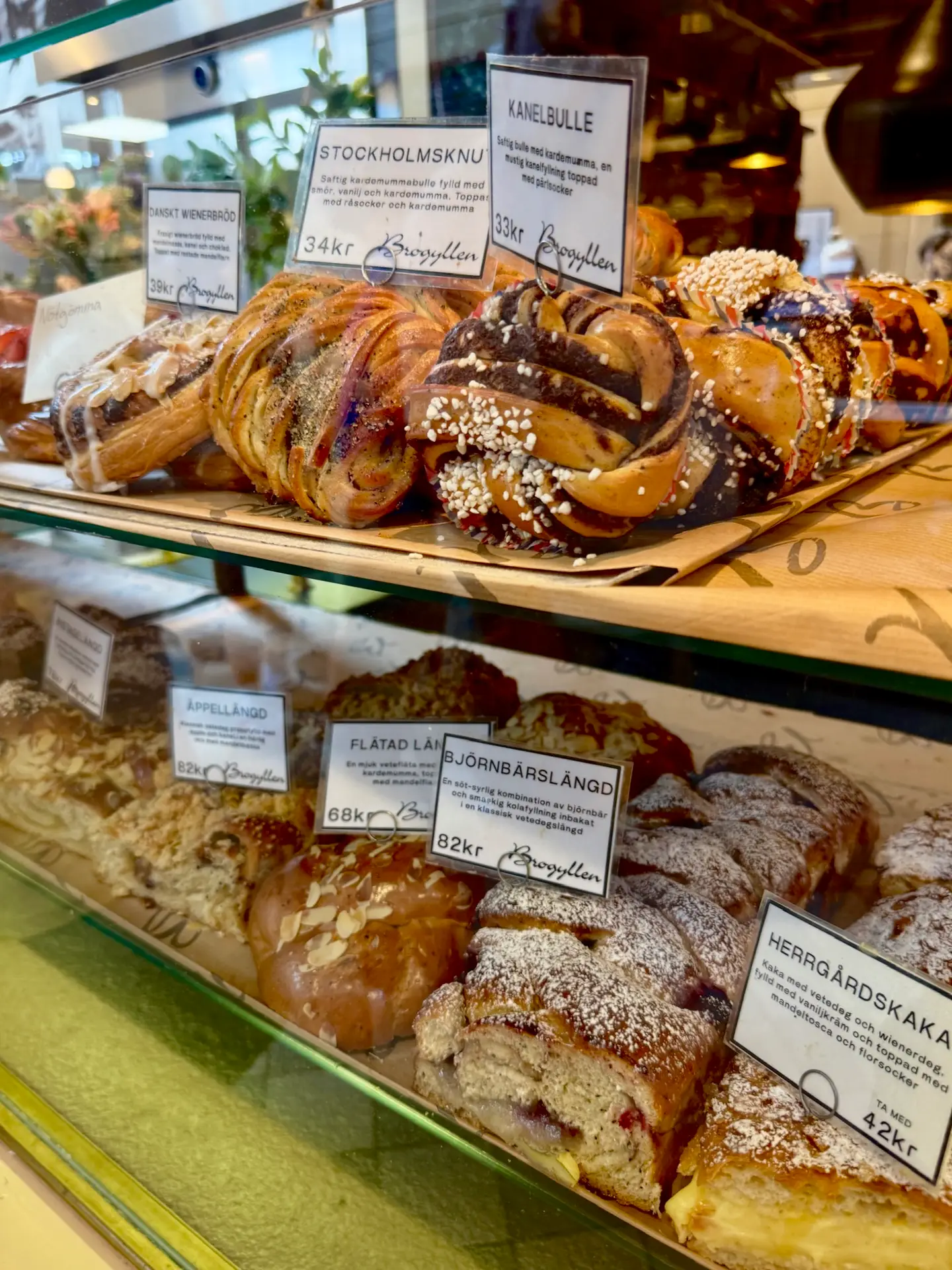
One of my favorite Swedish traditions was fika: an intentional pause in the day to connect with friends, family, or coworkers over coffee and something sweet, often a pastry. I cannot tell you how obsessed I am with fika.
So when I came across this passage in the Nordic Nutrition Recommendations, it really resonated with me:
“It is [also] important to remember that food and meals are about more than nutrients and just feeling full. Eating should also be about taking the time to enjoy your meal and savor your food. Food represents identity, culture, tradition, and social connection. Sharing a good meal together is an important aspect of many people’s lives.”
– Nordic Nutrition Recommendations 2023
Letting Go of Food Guilt This Holiday Season
As we head into the holiday season, I think this is a particularly important reminder.
For many of us, the holidays can be complicated. Food may feel overwhelming or surrounded by expectations. We’re gathering with friends and family, sometimes navigating unsolicited comments about our bodies or what we’re eating.
There’s often a side of guilt served next to the pie, followed by pressure to get “back on track” come January 1.
As a dietitian, I see how easily the joy of eating gets lost amid the endless rules about what, when, and how much we should eat.
Wondering where all those food rules come from? Our article on the smoke and mirrors of diet culture unpacks how diet culture shapes the way we think about food and our bodies.
But food is so much more than nutrients. It’s how we connect with loved ones, celebrate traditions, remember people we miss, and create new memories. And there’s fascinating research suggesting that these experiences can benefit our physical, mental, and emotional well-being.
Inspired by Nordic food culture, I’ve pulled together 7 principles for eating well that go beyond what’s on our plates. Along the way, we’ll explore the science behind why enjoying food matters and how we can bring a little more pleasure, connection, and flexibility into our everyday lives.
And while the holidays are a wonderful time to start, these are lessons worth carrying with us all year long.
7 Lessons From Nordic Food Culture for Rediscovering the Joy of Eating
1. Find Joy in Eating
Food should provide pleasure, satisfaction, and enjoyment, not just nourishment. Taste and enjoyment are meaningful parts of a healthy relationship with food.
Beyond a healthy relationship with food, enjoying our food also has scientific benefits. For one, the anticipation, sight, smell, and taste of food activate our nervous system, preparing our digestive tract for what is to come.
This stimulates our salivation response, the first step in digestion, along with other digestive enzymes lower in the gastrointestinal (GI) tract that help our body digest and absorb food.
The more we enjoy and chew our food, the longer it takes for us to eat a meal. Slowing meals down allows our body to release hormones that tell us we’re full and we can stop eating.
So yes, you should enjoy your food and find pleasure in it. If you don’t, no matter how healthy the food is, you may not be getting the full benefit. I encourage you to plan a meal, slow down, and savor.
2. Share Meals and Connect With Others
Eating is a social experience that brings people together, strengthens relationships, and contributes to well-being.
Again, while this sounds nice, there is scientific research supporting the importance of social eating and connecting over food. The scientific term for this is commensality.
In a large international study, people who regularly shared meals reported greater life satisfaction and more positive emotions. Looking specifically at the U.S. data, people who shared at least one meal with others reported greater happiness and less stress, sadness, and even physical pain that day (World Happiness Report, 2025).
Let’s pause on that for a moment. Less pain?
While this study doesn’t establish that sharing meals directly reduces pain, there are some fascinating possible explanations.
We are social beings, and feeling connected and supported can influence how our nervous systems perceive pain and threat. Positive social interactions can help us feel safer and more relaxed.
In a 2017 study, researchers used brain imaging to study what happens when we laugh. Yes, laugh! They found that social laughter triggered the release of endogenous opioids, part of our body’s natural pain-relieving system (Manninen et al., 2017).
This is a busy time of year, but sharing meals and connecting with others is important. I encourage you to get creative with the ways you connect over food, whether that’s sharing a full meal, grabbing takeout with friends, hosting a game night, or inviting people over for dinner.
If you can’t share a meal with someone in person, consider making a phone or FaceTime date with that friend you’ve been meaning to call.
3. Celebrate Food, Culture, and Traditions
Food connects us to our heritage, communities, celebrations, and memories. Healthy eating can accommodate cultural traditions and individual preferences.
For centuries, we have connected over food. It’s one of the ways we build and demonstrate trust, maintain our cultural identities, and preserve traditions.
We all have foods that bring us a sense of nostalgia. Recently, we celebrated the birthday of my brother Taylor, who passed away 17 years ago. Every year, we eat his favorite meal: fettuccine Alfredo.
Is it my favorite food? Not really. But does it allow us to come together, share stories, laugh, and cry together? Absolutely. And I wouldn’t trade that experience for anything.
Studies show that food-related nostalgia can increase feelings of comfort, partly through a greater sense of social connectedness. So remember, your comfort foods may not be comforting simply because they taste good. They’re comforting because they remind us of people, places, and experiences that make our lives whole.
On another note, traditional foods and food systems can be incredibly beneficial not only for our well-being but also for the well-being of our home, the planet. Many traditional food systems, particularly Indigenous food systems, take a holistic approach that considers the relationships between food, culture, community, and the environment, rather than reducing foods to their nutrient content alone.
A review of 20 Indigenous food sovereignty intervention studies found that programs incorporating traditional food knowledge, community ownership, and cultural foods frequently reported favorable dietary outcomes (Maudrie et al., 2021). These approaches also emphasize the preservation of cultural knowledge and environmental sustainability.
This season, connect with your family and get nostalgic about food. Cook your grandmother’s pie, share family recipes, and reconnect with your roots.
4. Eat a Variety of Foods
Explore different flavors, textures, ingredients, and cuisines. Variety supports both nutritional adequacy and enjoyment.
Food variety is important for our health for several reasons. First, eating a greater variety of foods helps us obtain a wider range of vitamins, minerals, and other nutrients.
Additionally, dietary variety, particularly the variety of plant foods we consume, is associated with a more diverse gut microbiome (McDonald et al., 2018).
We are still on the frontier of gut microbiome research, and while there is much we don’t know, we do know that the microorganisms living in our digestive tract play important roles in digestion, immunity, and metabolism. Researchers are also exploring the complex connections between our gut microbiome and our brain, skin, and other systems throughout the body.
A 2021 meta-analysis found that greater dietary diversity was associated with a 22% lower risk of all-cause mortality. While this doesn’t prove that eating more varied foods directly increases longevity, it highlights the potential importance of dietary diversity.
Additionally, eating foods that are in season can be a great way to introduce variety into our diets while supporting more environmentally conscious food choices when they’re locally and sustainably produced.
I encourage you this season to embrace seasonality: try a persimmon, enjoy some winter squash, and savor the sweetness of warm cinnamon-sugar apples.
5. Eat With the Planet in Mind
Build more meals around vegetables, fruits, legumes, whole grains, nuts, and other plant foods. Small shifts toward plant-rich eating can benefit both personal health and environmental sustainability.
We all know that groceries are expensive. Beef prices, in particular, are expected to rise more than 9% this year, according to the USDA.
I’m not telling you that you have to cut meat entirely out of your diet, but we can get creative with adding beans, whole grains, nuts, and seeds to make meat-centric meals stretch further while still providing plenty of protein, fiber, vitamins, and minerals.
Try adding lentils or beans to soups and stews, or whole grains to your favorite dishes. These ingredients can help stretch your meals and make them more affordable. Your gut and your wallet will thank you.
6. Make Food Choices Flexible and Sustainable
There are many ways to build a nourishing diet. Food choices should be practical, accessible, enjoyable, and compatible with everyday life.
There are many ways to structure a healthy, well-balanced diet. If your diet requires you to spend the equivalent of a part-time job in the kitchen, but you’re already strapped for time, it may not be the right fit for you.
Alternatively, if you’re trying to reduce animal products in your diet but have a nut allergy or don’t tolerate beans, maybe there’s another approach that works better.
I share these examples because there is so much pressure in our society to eat a certain way. But if that way of eating doesn’t work for you, it won’t be sustainable in the long term.
Feeling pressure to eat “perfectly”? Our article on orthorexia and when healthy eating goes too far explains how a focus on eating right can start to take over.
If you don’t enjoy your food, can’t afford it, or can’t realistically incorporate it into your life, I don’t care how healthy someone claims it is. It’s probably not the right approach for you.
7. Value the Whole Experience of Eating
Preparing food, sharing recipes, discovering new flavors, and gathering around the table are all meaningful aspects of nourishment.
And for the last (and perhaps most important) lesson to sum all of this up: eating is about so much more than the nutrients on our plates. It’s about the people we share meals with, the memories we create, the traditions we carry forward, and the joy we find in food.
Carrying the Joy of Eating Into the New Year
This isn’t something we should embrace only during the holidays, but year-round.
So this season, go forth, connect with others, share food, enjoy each other’s company, and allow yourself to experience the pleasure of eating. And remember, you don’t have to earn your food first.
Looking for more ways to take care of yourself this season? Our guide to holiday nourishment for body, mind, and soul covers rest, stress, and connection, not just food.
I hope you can embrace the joy of this season and, along the way, be a little kinder and gentler with yourself.
Find an Approach That Works for You
If you need help finding more flexibility, enjoyment, and pleasure in your eating, our registered dietitians in Flagstaff can help. We take a non-diet, weight-inclusive approach, so you won’t get a rigid meal plan or a list of foods to avoid. You’ll get a way of eating that fits your life, your culture, and the foods you love.
Looking for a more flexible and enjoyable relationship with food?
If you’re looking for more flexibility, enjoyment, and confidence around food, our registered dietitians can help you find an approach that works for you.