
Acupuncture to Improve Pain and Movement
Pain that isn’t responding to other treatment?
Muscles that won’t release no matter what you try?
Symptoms improve after massage or PT, but only short term?
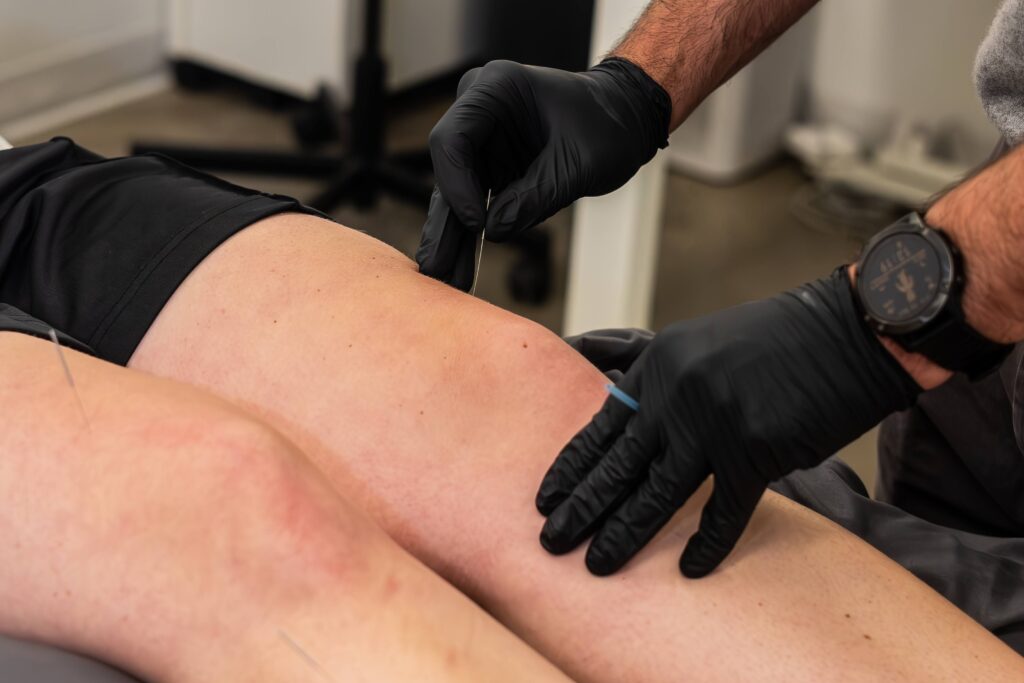
Acupuncture can be a meaningful part of the picture — when it’s done right. At EVOLVE, that means evidence-based techniques only, thorough assessment, and treatment that’s connected to how you move and what else is going on in your care.
Who Acupuncture at EVOLVE Flagstaff is For
You've Had Relief That Didn't Last
- Symptoms improve after massage, PT, or chiropractic — then return within days
- You've tried different treatment strategies, but results haven't stuck
- You have pain that's been around long enough you've started accepting it as normal
You Need To Put The Fire Out
- Pain too severe to tolerate exercise, physical therapy, or hands-on therapies.
- Movement makes symptoms worse, not better
- Need to reduce pain and inflammation before rehabilitation can begin
Your Issue Will Likely Respond Well
- Headaches and migraines
- Neck, low back, and nerve-related pain
- Stress, anxiety, or sleep disruption affecting recovery
- Symptomatic muscular trigger points ("knots")
If you’ve been struggling with pain or an injury, then you deserve a thorough evaluation and evidence-based treatment.
What Makes Acupuncture at EVOLVE Different?
Not all acupuncture is practiced the same way. Common problems in the field include:
- Limited assessment
- Overstating what the science supports
- No connection to movement or exercise
- Unclear or pseudo-spiritual explanations
At EVOLVE, we use perform a systematic assessment before treatment starts so that we can understand the whole picture.
We then use evidence-based techniques — nothing that isn’t supported by peer-reviewed research. Our team can also collaborate on your care, integrating acupuncture with physical therapy and nutrition into a streamlined treatment plan.
As your symptoms improve, we then help you to transition into a movement-based plan so that your results stick around, long-term.
Frequently Asked Questions
Have hesitations? Let’s talk about them.
What is acupuncture?
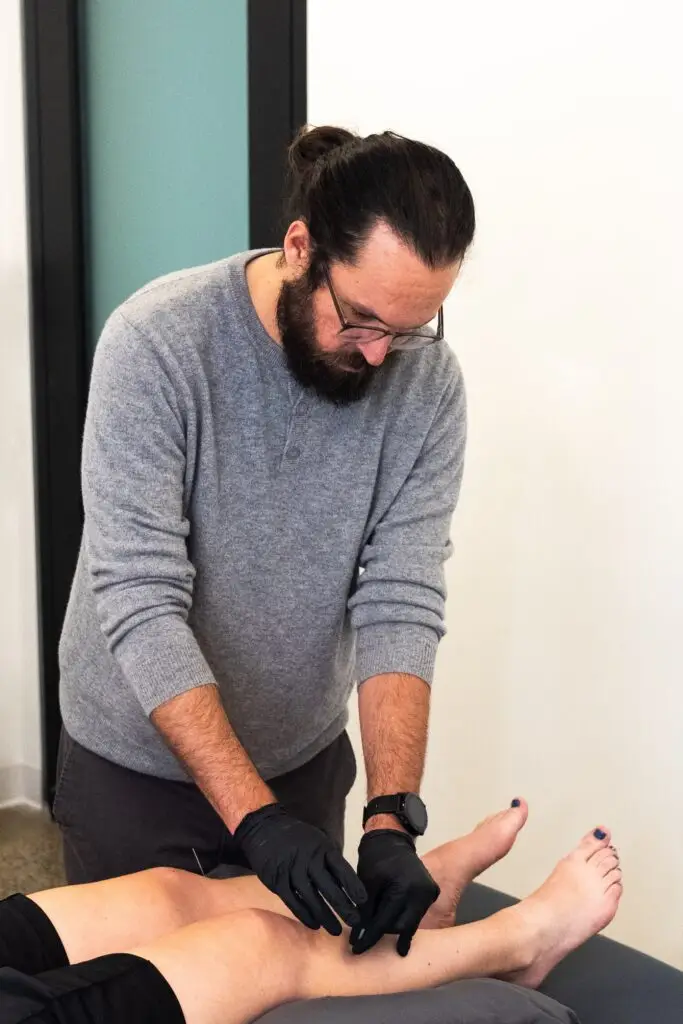
Acupuncture involves inserting thin, sterile needles into specific points in the body. Depending on the technique, this can influence muscle tissue directly, reduce local inflammation, promote circulation, improve range of motion, and modulate how the nervous system processes pain. At EVOLVE, we use techniques with a documented physiological basis — not treatments rooted in claims the research doesn’t support.
What can acupuncture help with?
Acupuncture can help with a wide range of orthopedic conditions, including:
- Headaches and migraines
- Symptomatic muscular trigger points (“knots”)
- Acute and chronic pain
- Lower back pain
- Neck pain
- Nerve-related, radiating, or referred pain
- Joint pain, swelling, and stiffness
- Tendon pain, tendinitis, and tendinopathy
- Stress, anxiety, and insomnia
Do acupuncture needles hurt?
Acupuncture needles are much finer than anything you’d associate with a blood draw or injection — closer to a strand of thin wire than a hypodermic needle.
Insertion is usually painless or produces only a brief sensation at the skin. Once a needle is placed, it’s common to feel a dull ache, warmth, or mild heaviness at the site — this is a normal physiological response, not a sign anything is wrong. Some points are more sensitive than others, and individual tolerance varies.
Our acupuncturist also communicates with you throughout placement of the needles and prioritizes your comfort.
Most people who come in apprehensive find it considerably more manageable than they expected.
Is acupuncture safe?
Yes. We use sterile, single-use needles only. Side effects are typically minor and temporary — occasional soreness or slight bruising at needle sites. Serious adverse events are rare when acupuncture is performed by a trained, licensed practitioner.
EVOLVE’s acupuncturist, Jon Whitehorn,
What is the difference between acupuncture and dry needling?
Both approaches use thin filiform needles inserted into muscle tissue, and both can be effective for pain and trigger points. The main differences are in training, scope, and application.
Dry needling is a trigger point technique practiced by PTs, chiropractors, and athletic trainers after completing continuing education coursework — which can range from a weekend course to more extensive training.
Acupuncture is practiced by licensed acupuncturists following a full graduate-level program. EVOLVE’s acupuncturist holds a master’s degree in acupuncture and has been practicing for nearly 10 years. The scope is also broader: acupuncture addresses pain and musculoskeletal conditions, but also nervous system regulation, headaches, sleep, and stress in ways that dry needling doesn’t.
Dry needling isn’t ineffective. It can be effective for many patients when delivered by a skilled physical therapist. However, licensed acupuncturists typically have greater depth of training and a wider range of application
Should I start with physical therapy or acupuncture?
Either can be a useful starting point, depending on what’s going on.
Acupuncture tends to work especially well early when pain is high enough to limit movement — getting symptoms under control can make PT more comfortable and productive. Acupuncture is also a strong option if you’ve made progress in PT but hit a plateau.
For many people, doing both PT and acupuncture simultaneously is the most effective approach. If you’re not sure, reach out and we’ll recommend the most appropriate starting point based on your situation.
How many sessions will I need?
Research supports a course of 4–6 sessions as a meaningful treatment block, ideally 1–2 times per week. Many people notice a real shift within that window.
Longer-standing or more complex issues may take more. We’ll give you an honest estimate after your initial evaluation.
How do acupuncture and physical therapy work together?
Acupuncture and PT address overlapping but distinct parts of many common orthopedic issues.
Acupuncture is particularly effective at reducing pain, calming irritated tissue, and creating conditions where movement becomes easier.
Physical therapy ideally addresses why something got hurt in the first place — movement patterns, load management, strength — and helps you build the resilience to reduce risk of recurrence.
Used together, the result tends to be faster progress and more durable outcomes than either produces alone. EVOLVE’s acupuncturist and physical therapists communicate and collaborate when a patient is working with both to help achieve the best result possible.
What does acupuncture cost? Do you accept insurance?
Single Session Price – $100
Packages (good for 3 months)
- 4 visits: $90/session ($360)
- 8 visits: $85/session ($680)
Packages are a good fit if you’re committing to a full treatment course — which, based on the research, is how acupuncture tends to work best.
EVOLVE does not bill insurance for acupuncture. We accept all major credit cards, and HSA and FSA cards.
Who is EVOLVE's acupuncturist?
Jon Whitehorn, MS. LAc., is a licensed acupuncturist with over 10 years of experience. He has a master’s degree from the American College of Traditional Chinese Medicine. He also is certified in Tui Na, a form of Asian orthopedic massage, and has advanced training in acupuncture’s ability to positively impact the body’s nervous system.
He has extensive experience working with athletes and bodies in movement to help resolve pain and speed up the recovery process.
Acupuncture as a Bridge to Movement
Acupuncture is often a starting point, not the whole answer.
Acupuncture can meaningfully reduce pain, decrease inflammation, and promote tissue healing.
But, one of the clearest findings in the research is that outcomes are more durable when paired with movement and exercise. Treatment creates a window — a period of reduced pain and restriction. What you do in that window determines whether results stick.
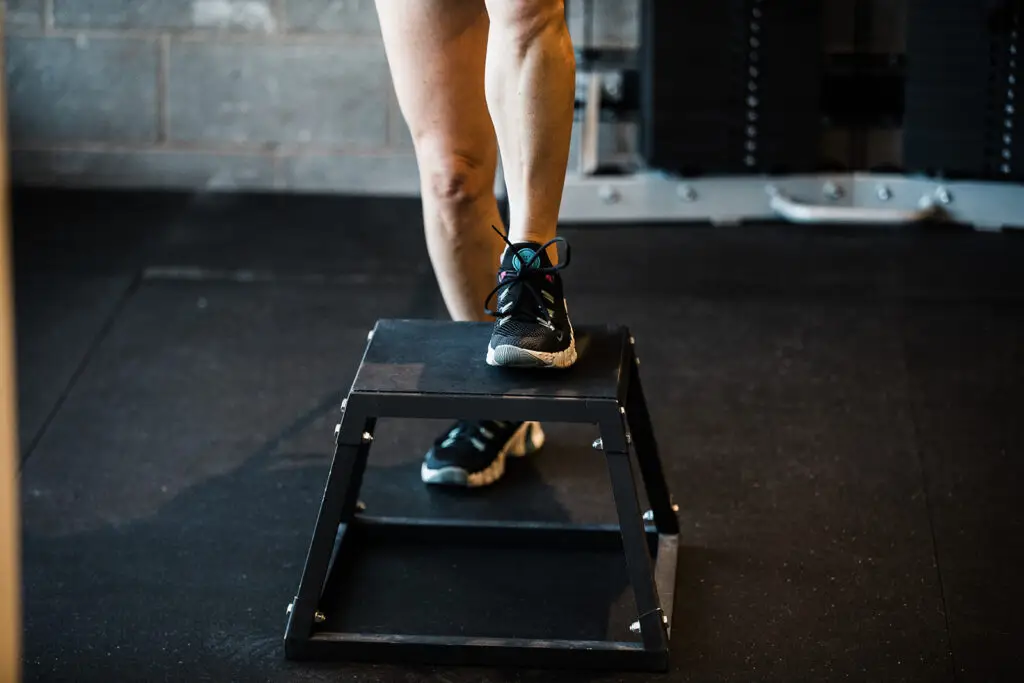
For many people, this means physical therapy to address the movement patterns driving the problem, or building back strength and capacity once pain is under control. That’s where the rest of EVOLVE comes in: as symptoms improve, there’s a natural transition to physical therapy, Foundations, or EVOLVE Strong.
The goal isn’t just less pain. We’re also here to help you build enough capacity and durability that you stay that way.
Not sure if we are the right fit, or have other questions?
We’d love to help. Click the button below to shoot us a note, and then we’ll set up a time to chat about your goals and the perfect plan for you.